
Software Engineering
Software has become a major protagonist in our lives and we consider it crucial for the development of a safe, more human and valuable reality.
The rapid evolution of digitalisation in the world requires not only knowledge of the appropriate technologies, but also the skills to make the most of them. This concept represents the key to contributing to the sustainable development of reality, permeated by software in every aspect.
In this scenario, we support you in the context of complex systems, including intrinsically safe ones, in multidisciplinary contexts characterized by a high degree of architectural and functional interconnection. Delving into these issues with awareness requires the adoption of highly structured, rigorous and systematic tools for: Design, Development, Validation and Testing.
We face the challenges you want to propose to us with innovative approaches, in methods and processes, which are based on continuous training and the adoption of inclusive tools. As well as sharing skills, which is fundamental for us.
We work with these assumptions, which guide us to a valuable result – technical and human – capable of breaking down prejudices and preconceptions.
CONTRIBUTE TO THE ACHIEVEMENT OF THESE SDGs:





Cybersecurity for IT/OT Systems: Risk Assessment, NIS2 Gap Analysis, and IEC 62443 Compliance
Cybersecurity service that protects systems, networks, and data through a holistic approach. It starts from vulnerability analysis and risk assessments to identify and implement appropriate countermeasures, considering both IT environments and industrial control systems. Includes NIS2-oriented gap analysis and risk assessment, definition of risk-based remediation plans, and alignment with European regulatory requirements and IEC 62443 standards.
Design of Modular and Microservices-Based Software Architectures
Definition of requirements, design, and implementation of modular and decentralized platforms. Microservices architectures facilitate functional evolution and integration with existing systems, include controlled integration and release pipelines, and also manage distributed acquisition and processing of data from sensors and actuators. Reference technologies include Docker, Kubernetes, Kafka, VueJS, and Laravel.
Digitalization and Configuration of System Data for Railway Signaling
Service supporting the digitalization of signaling data configuration and validation processes. It enables the transition from analog procedures to coherent and verifiable digital models by modeling installations and equipment and generating unique installation data. Includes the design and integration of high-class (T3) software tools for data generation, verification, simulation, and deployment, ensuring traceability and consistency throughout the lifecycle.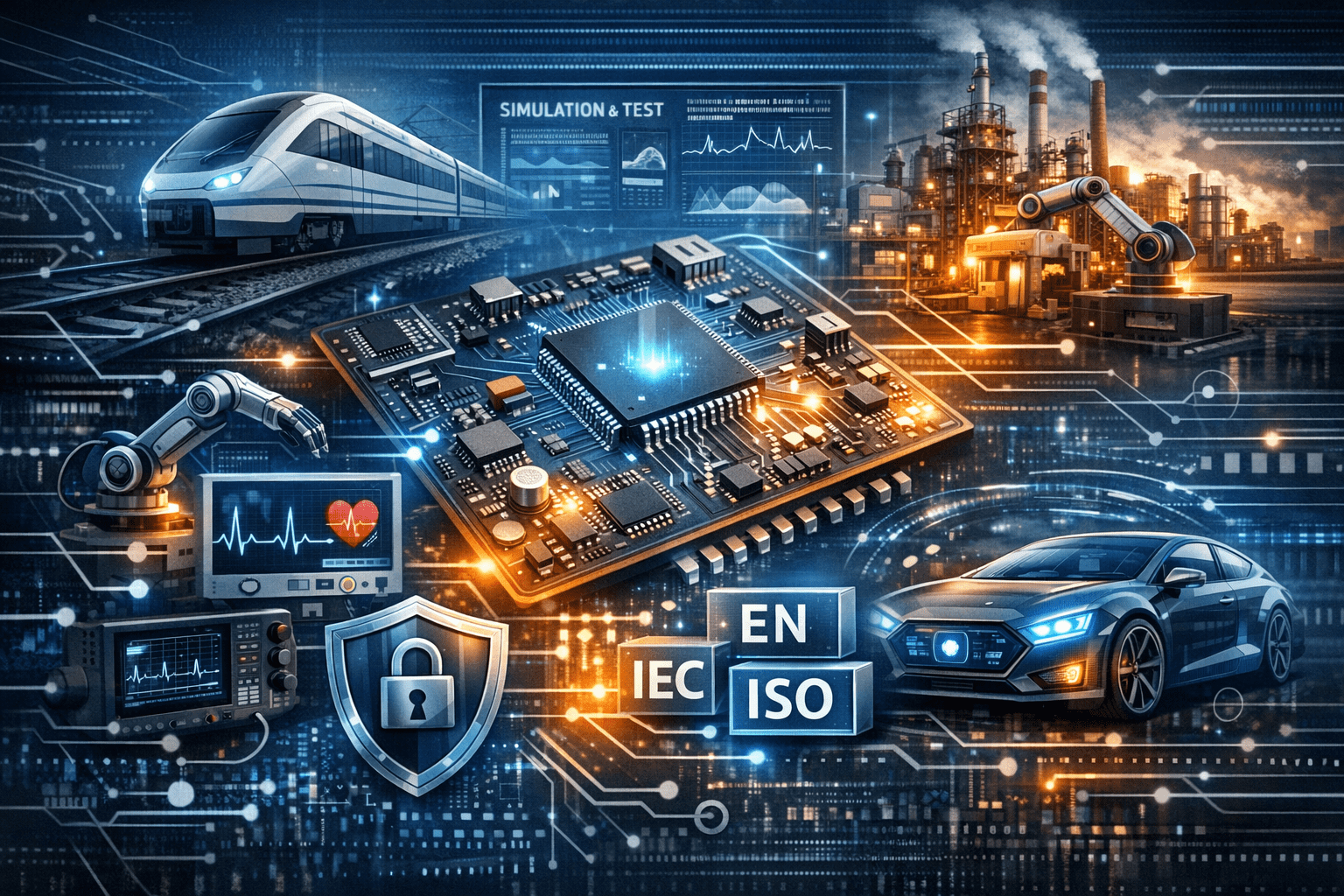
Embedded Systems for Mission-Critical Applications
Development of firmware and embedded applications for microcontrollers and heterogeneous processors, with a focus on concurrency, real-time behavior, and industry regulations (EN 50128/50716, IEC 62061, IEC 60880, IEC 62304, ISO 26262). The activity integrates code analysis, verification, and safety-oriented design practices. Technologies include C, C++, and Rust.
Machinery Regulation 2023/1230: Engineering, Software, and Safety
Support for manufacturers in complying with the Machinery Regulation (EU) 2023/1230, including gap analysis, evaluation of software as a safety component, preparation of technical documentation, and design of resilient architectures. The activity integrates software engineering, risk analysis, secure architecture design, and regulatory compliance support.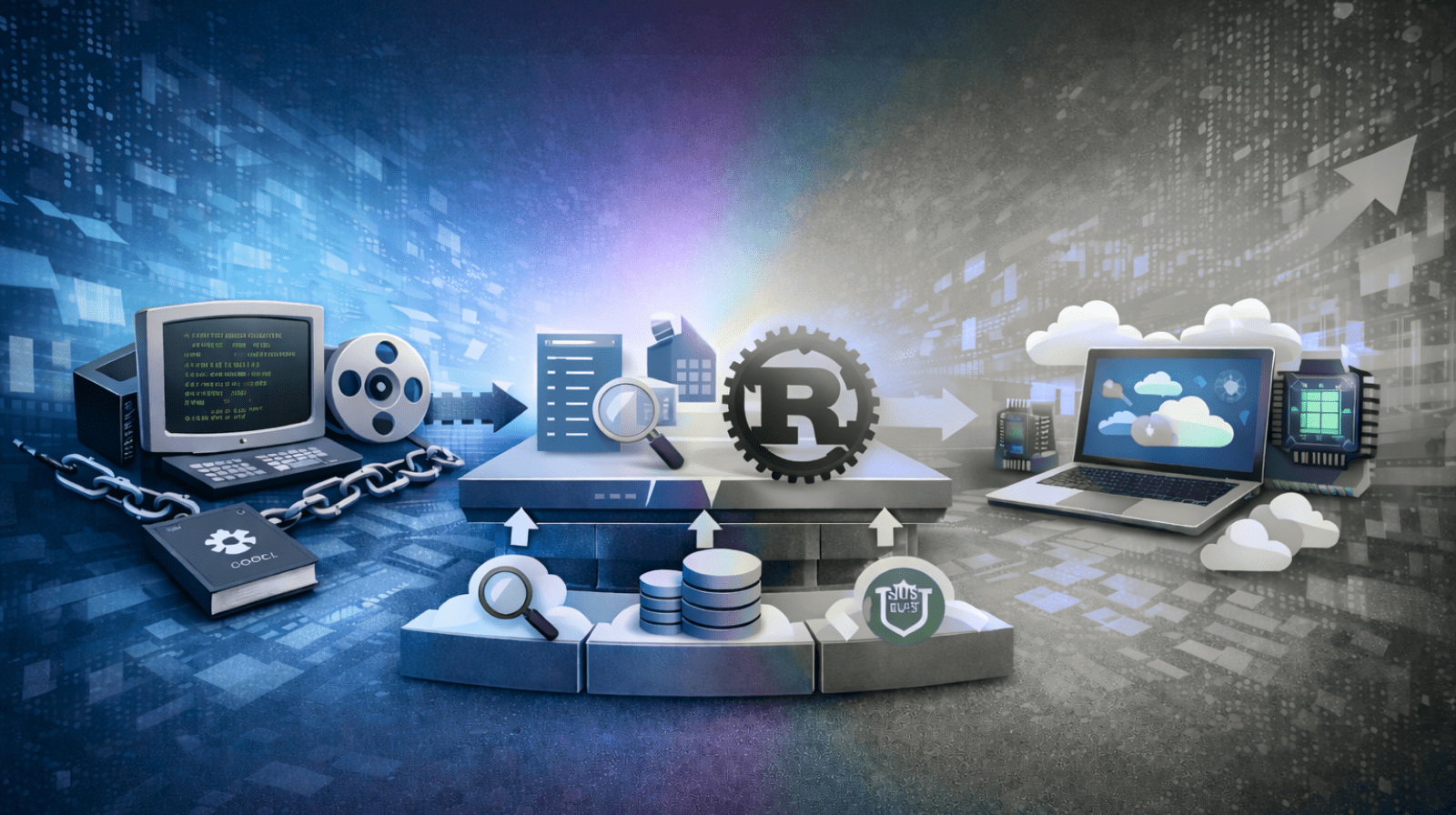
Migration and Reengineering of Legacy Systems
Analysis and incremental modernization of legacy systems to preserve know-how and introduce more sustainable solutions. Activities include controlled refactoring, technology migration, consolidation of software bases, and introduction of memory-safe languages such as Rust. The goal is to extend asset life and prepare systems for new integrations without disrupting service continuity.
Research and innovation
NIER is an innovative SME specializing in applied research and AI-driven solutions.It develops models, simulations, and intelligent systems for industry and sustainability.
It operates in national and European research networks with universities and advanced centers. It integrates AI, data analytics, and software development for smart and efficient solutions.

Training and Technical Upskilling on Software and Critical Systems
Customized training and technical upskilling programs designed to develop engineering skills in software, systems, and complex processes. Programs combine classroom training, hands-on sessions, and on-the-job mentoring to disseminate methodologies, design criteria, and operational practices related to development, verification, safety, and lifecycle management, supporting the growth of internal competencies.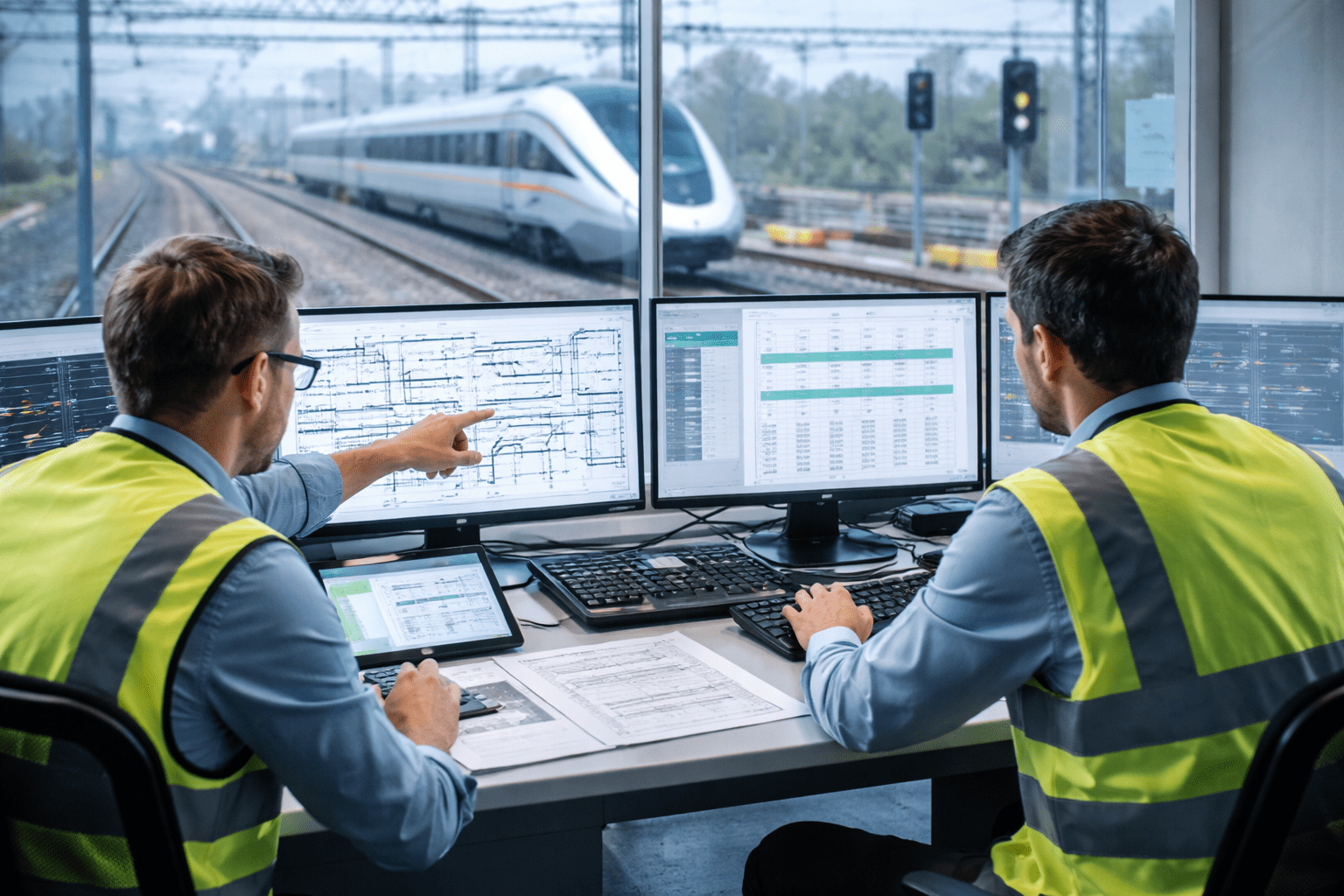
Verification of Key ERTMS/ETCS Project Elements
Advanced ERTMS/ETCS data validation to ensure consistency across design, trackside configuration, and operational requirements. We preempt critical errors and misalignments through automated tools a structured approach that enhances reliability, safety, and performance prior to testing and commissioning.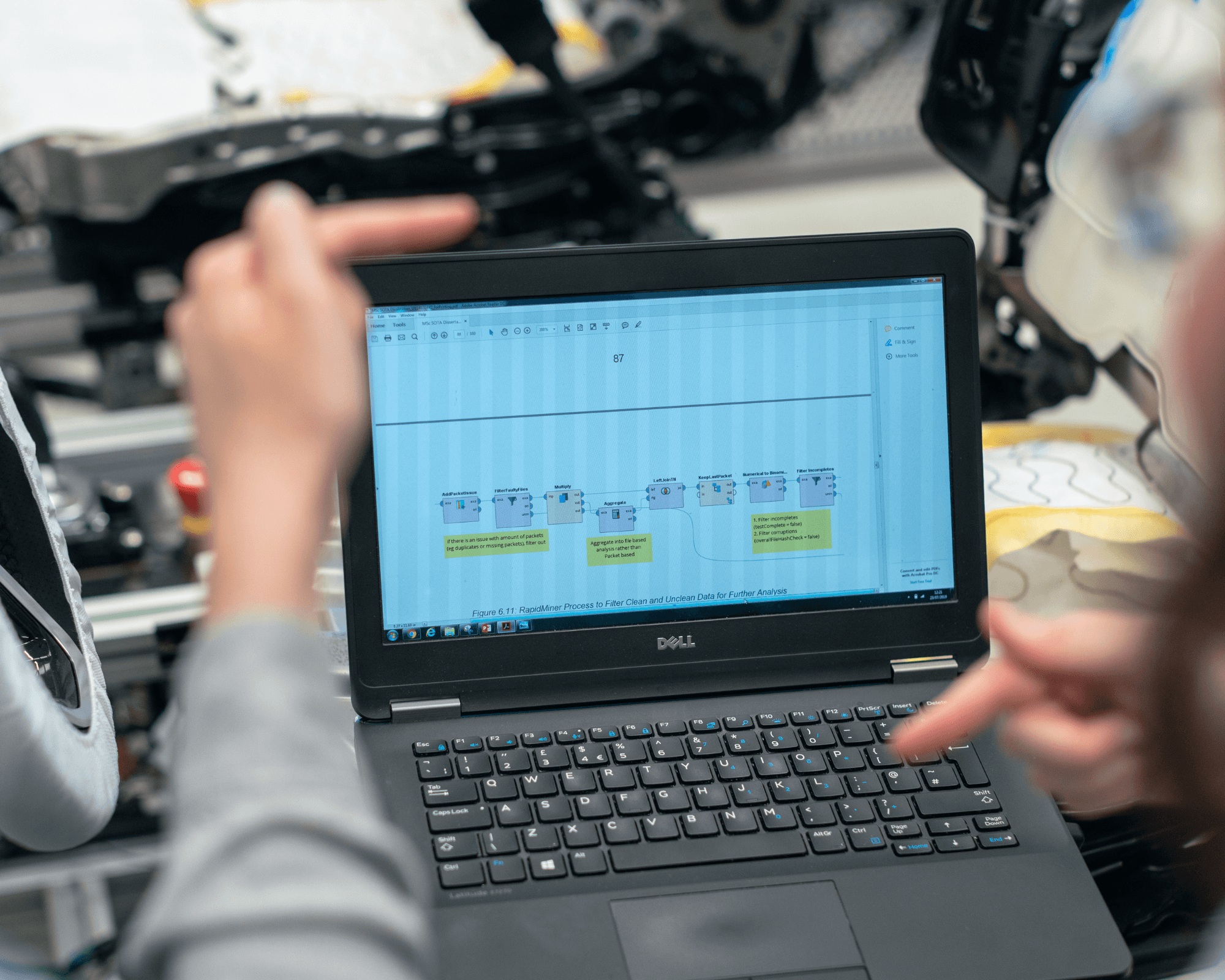
Verification, Validation and Automated Testing
Structuring verification and testing strategies across the entire software lifecycle: static code analysis, unit testing, continuous integration, and bench-based functional testing. The risk-based approach focuses on the most critical components and supports compliance with industry standards. Tools used: IBM Rational Test Real Time, VectorCAST, Lauterbach TRACE32, Understand, PCLint, CppCheck, Python, and proprietary tools (EmuXp, VyxT, DocDec).
Web and Mobile Applications for Industrial Systems and Processes
Development of web and mobile applications as extensions of existing industrial systems, for configuration, supervision, monitoring, and operational support. Applications are based on microservices and secure APIs, and also operate in offline mode with controlled synchronization. Reference technologies include Dart, VueJS, and Laravel.
Automotive
Selective application of safety-critical skills to the automotive sector. Methodological support, Model-Based Design, ECU testing, and cybersecurity management according to ISO 26262 and ISO/SAE 21434.
Industries
Transfer of railway methodologies to the industrial sector: development and refactoring of control software, PLCs, supervision systems, and IT/OT architectures, in compliance with IEC 61508, IEC 62061, IEC 62443, and the Machinery Regulation.